High blood pressure, also known as hypertension, is a common but serious condition that affects millions of people worldwide. It occurs when the force of the blood against the artery walls is too high, leading to various health problems such as heart disease, stroke, and kidney damage. Understanding the symptoms of high blood pressure and taking proactive steps to manage it is essential for a healthier life. In this blog, we’ll explore the key steps you can take to control your blood pressure, including treatments, lifestyle changes, and supplements.
Understanding What Causes Hypertension
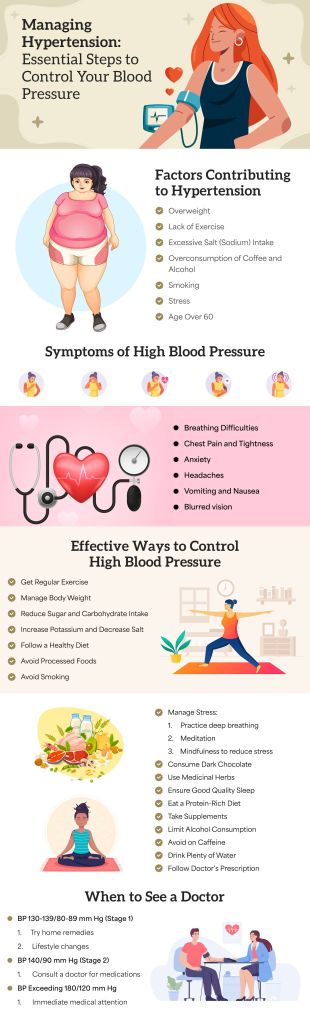
Before diving into how to control high blood pressure, it’s crucial to understand what causes hypertension. High blood pressure can be caused by several factors, some of which are within your control, while others are not. These include:
- Lifestyle choices: Poor diet, lack of exercise, and excessive alcohol consumption are common causes of hypertension.
- Genetic factors: If your family has a history of high blood pressure, you are at a higher risk of developing the condition.
- Chronic health conditions: Diseases like diabetes, kidney disease, and sleep apnea can contribute to high blood pressure.
- Stress: Constant stress leads to the release of hormones that increase blood pressure.
It’s important to consult your doctor if you think you may have any of these contributing factors. Understanding the symptoms of high blood pressure can also help in early detection, making it easier to manage the condition before it worsens.
Symptoms of High Blood Pressure
One of the most dangerous aspects of high blood pressure is that it often presents no obvious symptoms. This is why it is commonly known as the “silent killer.” However, in some cases, individuals may experience the following symptoms of high blood pressure:
- Severe headaches
- Shortness of breath
- Nosebleeds
- Chest pain
- Dizziness
If you experience any of these symptoms, you should consult a healthcare professional immediately. Early detection through regular blood pressure monitoring can prevent the condition from leading to more severe health problems. For more information, consider visiting a clinic to discuss the symptoms of high blood pressure with a professional.
Blood Pressure Categories Explained
Blood pressure is measured in millimeters of mercury (mmHg) and is expressed as two numbers, such as 120/80 mmHg. The first number (systolic) measures the pressure in your arteries when your heart beats, while the second number (diastolic) measures the pressure in your arteries when your heart is resting between beats. Let’s take a closer look at the blood pressure categories:
- Normal blood pressure: Less than 120/80 mmHg.
- Elevated blood pressure: 120-129 systolic and less than 80 mmHg diastolic.
- Hypertension Stage 1: 130-139 systolic or 80-89 mmHg diastolic.
- Hypertension Stage 2: 140 or higher systolic or 90 mmHg or higher diastolic.
- Hypertensive Crisis: Higher than 180 systolic or higher than 120 mmHg diastolic (immediate medical attention required).
Knowing which blood pressure categories you fall into is essential for determining the best treatment approach. Regular monitoring can help you and your healthcare provider decide whether lifestyle changes or high blood pressure medications are necessary.
Effective Treatments for High Blood Pressure
Treating high blood pressure involves a combination of lifestyle changes, medications, and sometimes supplements. Here’s a breakdown of the most effective treatments for high blood pressure:
1. Lifestyle Changes
- Diet: One of the most important lifestyle changes is adopting a heart-healthy diet. The DASH (Dietary Approaches to Stop Hypertension) diet, rich in fruits, vegetables, and whole grains, can help lower blood pressure. Reducing your salt intake is another key element of managing high blood pressure.
- Exercise: Regular physical activity, such as walking, swimming, or cycling, can lower blood pressure by strengthening the heart and improving circulation.
Weight Management: Maintaining a healthy weight reduces the strain on your heart and blood vessels, which helps control blood pressure.
2. High Blood Pressure Medications
If lifestyle changes alone are not enough, your doctor may prescribe high blood pressure medications. The type of medication depends on your overall health and the severity of your condition. Common types include:
- Diuretics: Help your kidneys remove excess salt and water, reducing blood pressure.
- ACE inhibitors: Block the formation of a hormone that narrows blood vessels, allowing blood to flow more easily.
- Calcium channel blockers: Relax the muscles of your blood vessels.
- Beta-blockers: Reduce the workload on your heart by slowing your heart rate.
Each of these medications has its benefits and potential side effects, so it’s important to consult your doctor to determine which one is best for you. Regular monitoring is essential when taking high blood pressure medications, as dosages may need to be adjusted over time.
3. Supplements for High Blood Pressure
In addition to medications and lifestyle changes, certain supplements may help lower blood pressure. Some of the best supplements for high blood pressure include:
- Potassium: Helps balance the effects of sodium in your body.
- Magnesium: Plays a role in regulating blood pressure.
- Omega-3 fatty acids: Found in fish oil, these can reduce inflammation and lower blood pressure.
- Coenzyme Q10 (CoQ10): May improve blood vessel function and reduce blood pressure.
While supplements can be beneficial, it’s important to consult your healthcare provider before adding any to your regimen, especially if you’re already taking high blood pressure medications.
Preventing High Blood Pressure: Steps You Can Take
Preventing high blood pressure is just as important as treating it. By making healthy lifestyle choices early on, you can lower your risk of developing hypertension. Here are some essential steps you can take:
- Maintain a Healthy Diet: Stick to a diet rich in fruits, vegetables, lean proteins, and whole grains. Limit your intake of processed foods and avoid excessive salt.
- Stay Active: Aim for at least 30 minutes of moderate exercise most days of the week.
- Limit Alcohol and Tobacco Use: Excessive alcohol consumption and smoking can raise blood pressure. Limiting these can have immediate benefits.
- Reduce Stress: Chronic stress contributes to high blood pressure. Mindfulness practices, such as meditation and yoga, can help reduce stress levels.
By adopting these habits, you not only reduce your risk of high blood pressure but also improve your overall health and well-being.
Final Thoughts
Controlling your blood pressure is crucial for preventing long-term health issues like heart disease, stroke, and kidney damage. Understanding what causes hypertension, recognising the symptoms of high blood pressure, and knowing the different blood pressure categories can help you take the necessary steps to protect your health. Whether through lifestyle changes, high blood pressure medications, or supplements for high blood pressure, managing this condition is within your control. For those experiencing symptoms or concerned about their blood pressure, it’s essential to seek professional help early.
If you’re experiencing any symptoms of high blood pressure, don’t hesitate to consult a healthcare professional. For more detailed information and personalised care, visit MD.co.uk.


Leave a comment