
Do you know which is the largest organ in the body? You guessed it right—it’s skin! It is the first line of defense against harmful pathogenic invaders, chemical components, and more. Besides, it helps retain internal moisture. However, skin often faces many problems, the most common being breakouts. Worry not—this blog will discuss each of them and provide preventive measures for averting the same. Read on to learn more!
Acne vulgaris (Acne)
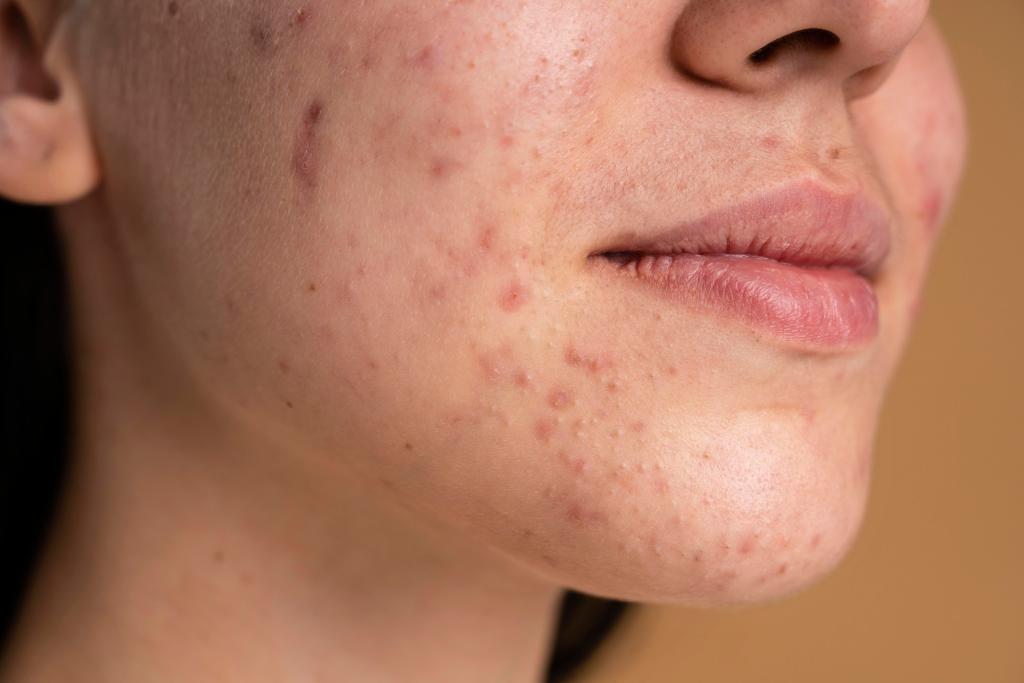
Acne is the most common dermal disorder that the current generation faces. It is caused by the blockage of oil glands underneath the skin (also known as sebaceous glands). Moreover, it obstructs the hair follicles associated with them. Hormonal issues are known to be the leading cause of acne among adolescents (especially girls). It results in unwanted pimples, blackheads, etc. Here’s how you can manage acne.
- Using adapalene topical ointments
- Tretinoin topical creams (also available in lotion form)
- Taking oral drugs, such as tretinoin or isotretinoin
- Sarecycline pills
- Other dermal creams like tazarotene topical, clascoteroneand benzoyl peroxide etc.
Pro tip: Before you start with any of these medications, consult a certified skin doctor (take special care if you are pregnant).
Atopic dermatitis (Eczema)
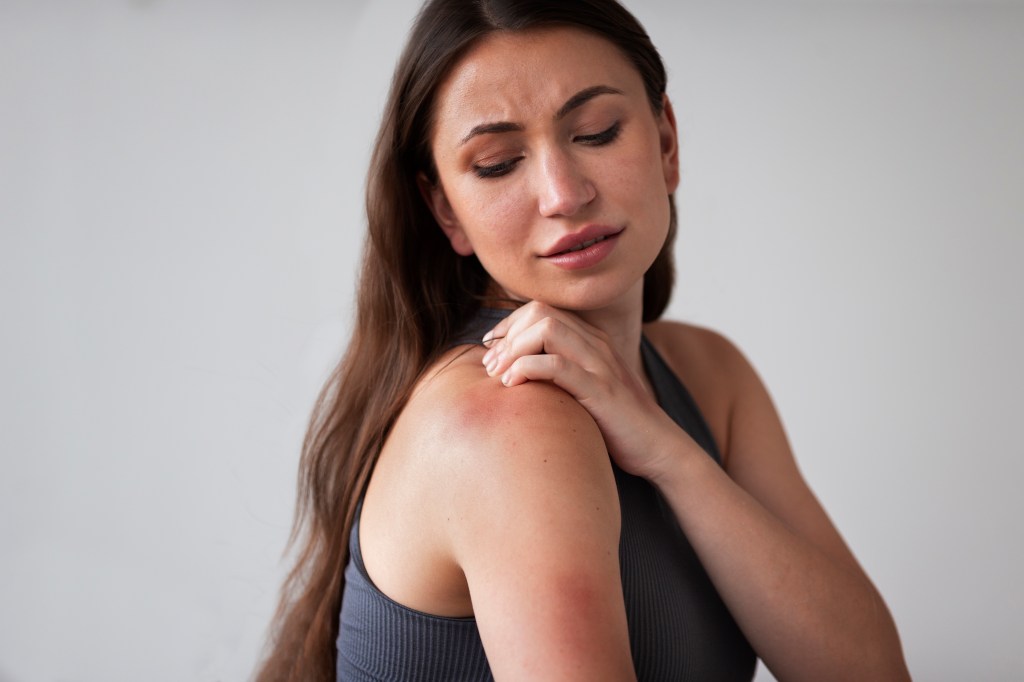
Eczema is a type of skin inflammation triggered by genetic, environmental, and immunological factors. Typically characterised by dry and scaly skin, it can result in severe irritation if left untreated for long. In infants, the skin folds and creases of their groins, underarms, palms, and soles may be affected. The most common treatment method for eczema is topical steroids. Below is a list of them.
- Dupixent injections: This medicine helps combat mild to severe eczema symptoms. Large quantities are available commercially in prefilled syringes, which you can easily administer yourself.
- Topical ointment: This medicine’s market names include Eucrisa, Opzelura, Rinvoq, Cibinqo, and Adbry.
Herpes Zoster (Shingles)
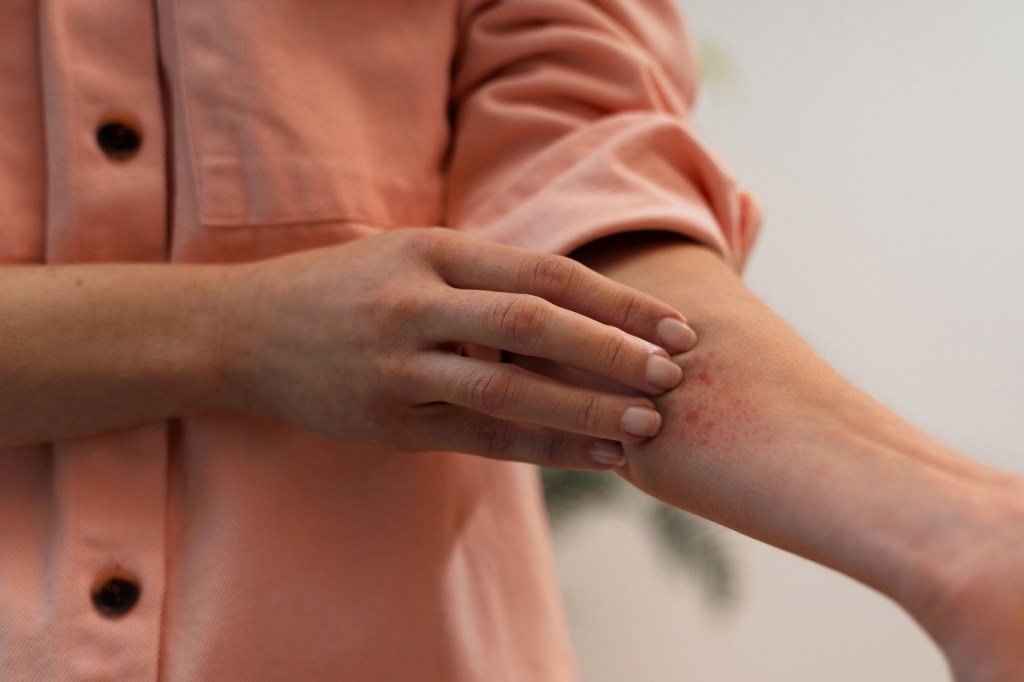
It is characterised by red blisters, often forming rashes on the skin. The causative organism is the Varicella-zoster virus, similar to the chicken pox virus. If you had a previous infection, you are at a higher risk of developing Shingles. Standard treatment methods include:
- Oral antiviral medicines like Valacyclovir
- Immunisation with Zostavax vaccine
Shingrix vaccines (applies to middle-aged individuals who are fifty or above)
Urticaria (Hives)
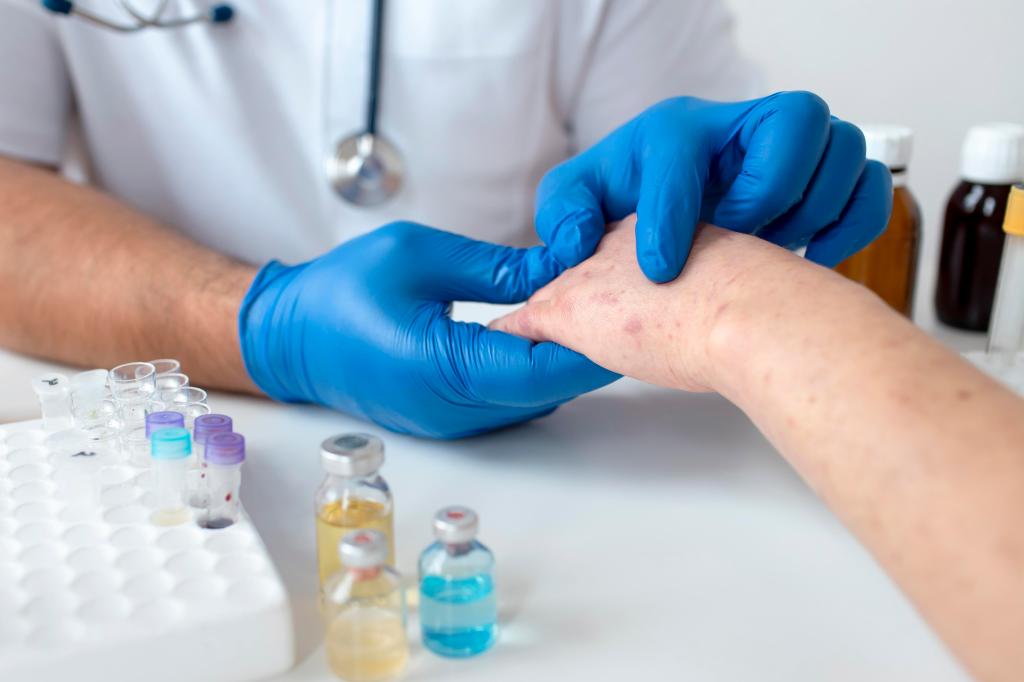
Also known as Hives, this mainly appears as swollen areas on the skin with severe irritability. With time, the infected regions turn reddish, indicating an allergic reaction. Primarily, the face and throat are affected by Hives, which resolve within a short time. However, the symptoms may persist for months or even years if it is chronic. In extreme cases, an individual may suffer from respiratory troubles. Insect stings, bug bites and side effects of certain medicines are the common reasons for Hives. You can prevent the deterioration of symptoms by:
- Avoiding triggers that cause Hives. It is the best and most practical way to obtain instant relief.
- Taking OTC antihistamines. This is effective for alleviating irritation. Two commercial names for this medicine are fexofenadine and loratadine.
- Taking Omalizumab injections. It is highly beneficial to treat allergic asthma.
Quzyttir is for children who are more than six years old.
Sunburns
Overexposure to sunlight is the prime cause of sunburn. Hence, prevention is the key to avert such a condition. The sun’s harmful UV rays can make your skin red and painful. When this exposure continues for a prolonged stretch of time, a person may get skin cancer. Some standard steps to treat sunburn are:
- Bathing in cold water to soothe the skin. It is better to use soap or a mild body-cleansing agent.
- Keeping the body well-hydrated.
- Applying a good sunscreen whenever you step outside. It blocks the harmful UV rays from penetrating your skin.
- Maintaining moisture levels of the skin by aloe vera gel application. The retained water helps your skin overcome the burning sensation.
- In severe sunburn cases, applying topical dermal creams or ointments is useful.
- Using NSAIDs like ibuprofen. It comforts the swollen and affected portions.
Pro tip: Do not burst any blisters caused by sunburn. If you work on-site, using sunscreen after every two hours is helpful.
Contact Dermatitis
Even though it sounds strange, contact dermatitis is caused due to physical touch. Characterised by symptoms similar to eczema, the common causes for this condition are poisonous plants or metal-plated jewellery. To prevent such symptoms, you can:
- Avoid touching the trigger or irritant
- Use antihistamines and topical steroids
- Obtain a patch test
Diaper Rash
Generally, infants and toddlers face this. Diaper rash comes from wet or dirty nappies kept on for long hours. It is associated with small, red bumps over the skin of the lower bottom and groin folds. Females who do not change their sanitary napkins frequently may also experience such rashes. You can follow the preventive tips below.
- Change the child’s diapers after an interval of three to four hours. This helps keep the private regions dry, thus preventing microbial infections.
- Make your baby wear cotton underwear that facilitates incoming fresh air.
- Use ointments like Desitin to protect your baby’s sensitive skin.
Rosacea
This is indicated by chronic swelling, redness and the appearance of prominent blood vessels. Women above thirty are more susceptible to this disease. Here’s a list of some effective treatments.
- Antibiotics such as metronidazole and doxycycline
- Azelaic acid gel
- Drugs like beta blockers or isotretinoin
- Oxymetazoline ointments
Tinea Pedis (Athlete’s Foot)
It is caused by a dermatophyte infection, followed by severe itchiness. Sometimes, the soles and feet may crack. The common form of treatment is topical antifungal creams. You can prevent athlete’s foot by patting dry the feet after you wash them (as moisture attracts microbes and fungus).
Basal Cell Carcinoma
It is a form of skin cancer that causes the skin to appear red and scaly. Caused by overexposure to sun rays, it may imitate symptoms of tanning. However, it is curable with medicines like Imiquimod and Fluorouracil.
Medications and treatments for BCC are:
- Imiquimod
- Fluorouracil
- Refer to a specialist for skin surgeries
- You can visit private GP in London for radiations
You must take proper care of the skin. This is the outermost defence of your body.
Conclusion
If you experience a severe skin disorder, do not wait. Compare the locally available clinics and book a dermatologist in London before it’s too late. Most importantly, do not forget to take care of your skin!


Leave a comment