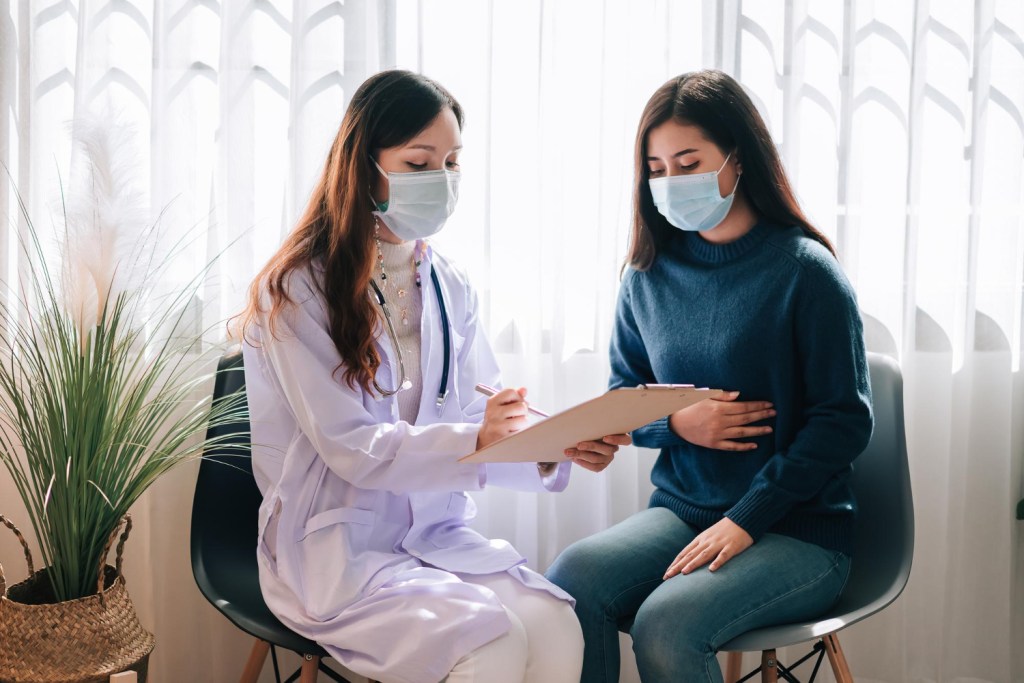
Uterine fibroids are one of the most frequently diagnosed conditions in women’s health — yet they remain widely misunderstood. Some women discover fibroids during a routine scan, while others experience years of heavy bleeding, pelvic pain, or fertility problems before finding answers.
Living with fibroids can be physically and emotionally draining, but the right combination of lifestyle management and medical care can dramatically improve quality of life. Understanding your body, recognising when symptoms need medical attention, and learning which treatments are available are key steps toward recovery.
If you’d like to understand how fibroids develop, how they’re diagnosed, and what treatment options are available, you can read the detailed guide on Fibroids: Symptoms, Diagnosis, and Treatment Options.
Understanding Life with Fibroids
Fibroids — also called leiomyomas — are benign growths made up of muscle and connective tissue that form in or around the uterus. While benign, they can still cause considerable discomfort, affecting menstruation, digestion, and even emotional well-being.
It’s estimated that up to 70% of women will develop fibroids at some stage in their lives, though not all will experience symptoms. For those who do, the effects can range from mild inconvenience to severe disruption in daily life.
Symptoms often depend on the size, number, and location of the fibroids. Some women experience chronic pelvic pain, while others struggle with heavy bleeding or pressure on nearby organs such as the bladder and bowel.
How Fibroids Can Affect Your Everyday Health
While fibroids are non-cancerous, they can lead to several complications if left untreated. Some of the most common impacts include:
- Heavy Menstrual Bleeding
Prolonged or heavy periods can cause fatigue and iron deficiency anaemia. Over time, this may lead to weakness, shortness of breath, or pale skin.
- Pelvic Pain and Pressure
Larger fibroids can create a sensation of fullness or heaviness in the lower abdomen. Pain may also radiate to the lower back or legs, particularly when sitting for long periods.
- Bladder or Bowel Problems
Fibroids pressing on the bladder can increase urinary frequency or urgency, while pressure on the bowel can cause constipation or bloating.
- Discomfort During Intercourse
Fibroids that distort the uterus or vaginal canal can cause pain during sex, affecting intimacy and self-confidence.
- Fertility Issues
Certain fibroids can block the fallopian tubes, alter uterine shape, or interfere with implantation — all of which can make conception more difficult.
Recognising these signs early can help you take proactive steps to manage fibroids before they affect long-term health or fertility.
Lifestyle Adjustments for Managing Fibroid Symptoms
Medical treatment is often necessary for moderate to severe fibroids, but many women find that lifestyle adjustments help reduce discomfort and improve overall well-being.
- Focus on Nutrition and Anti-Inflammatory Foods
A balanced diet supports hormone regulation and reduces inflammation — two factors strongly linked to fibroid growth.
Consider including:
- Leafy greens such as kale, spinach, and broccoli for oestrogen metabolism.
- Berries and citrus fruits rich in antioxidants.
- Fatty fish (salmon, mackerel, sardines) for omega-3 fatty acids.
- High-fibre foods like whole grains, beans, and lentils to support gut and hormone balance.
Avoid excessive red meat, processed food, and refined sugars, which can increase oestrogen levels and inflammation.
- Maintain a Healthy Weight
Oestrogen is partly stored in body fat, so maintaining a healthy BMI can help reduce hormonal imbalances that contribute to fibroid growth. Regular low-impact exercise — such as yoga, walking, or swimming — also helps regulate hormones and circulation.
- Manage Stress Levels
Chronic stress triggers hormonal changes and inflammation, both of which can exacerbate fibroid symptoms. Practising relaxation techniques such as mindfulness, meditation, or gentle stretching can make a significant difference.
- Limit Alcohol and Caffeine
High intake of alcohol or caffeine can affect the liver’s ability to metabolise hormones effectively. Reducing consumption can support hormonal balance and energy levels.
When to Consider Medical Treatment
While lifestyle measures can ease symptoms, medical treatment is essential if fibroids cause persistent or severe problems. You should seek a gynaecological assessment if you experience:
- Heavy bleeding that leads to fatigue or anaemia
- Constant or worsening pelvic pain
- Difficulty conceiving
- Visible abdominal swelling
During a private consultation, your gynaecologist will typically conduct an ultrasound or MRI to determine the size, number, and position of fibroids.
Treatment will depend on your symptoms and reproductive goals. You can find detailed explanations of each option — including surgery and minimally invasive therapies — in the main article: Fibroids: Symptoms, Diagnosis, and Treatment Options.
Medical and Surgical Options Explained
If fibroids significantly affect your health, your doctor may recommend one of the following:
- Hormonal Treatments
These help to shrink fibroids or control heavy bleeding. The oral contraceptive pill, hormone-releasing coils, or GnRH analogues may be used temporarily to manage symptoms.
- Non-Surgical Procedures
- Uterine Artery Embolisation (UAE): A minimally invasive procedure that blocks blood supply to fibroids, causing them to shrink naturally.
- MRI-Guided Focused Ultrasound: A non-invasive option that uses targeted ultrasound waves to destroy fibroid tissue.
- Surgical Treatments
- Myomectomy: Removes fibroids while preserving the uterus, suitable for women wishing to have children.
- Hysterectomy: Complete removal of the uterus, generally recommended for severe or recurrent fibroids in women who are not planning more pregnancies.
A qualified gynaecologist will assess which treatment is most appropriate for your circumstances and long-term health goals.
Emotional Side of Living with Fibroids
Fibroids are not just a physical condition — they can affect emotional and psychological well-being too. Women often describe feeling frustrated or anxious, especially if symptoms disrupt their social life, relationships, or career.
Emotional support plays an important role in recovery. Counselling, support groups, and open communication with your healthcare provider can help reduce stress and improve coping mechanisms.
Acknowledging your experience and seeking help early can make a significant difference to your overall health journey.
Fertility and Pregnancy Considerations
Many women with fibroids go on to have successful pregnancies, though close monitoring may be required. The impact on fertility depends on the fibroids’ type and location.
Small fibroids that don’t interfere with the uterine cavity often cause no issues. However, large or submucosal fibroids can increase the risk of miscarriage, preterm birth, or labour complications.
If you’re planning pregnancy, your gynaecologist can assess whether treatment before conception would improve outcomes. In some cases, removing fibroids surgically (via myomectomy) increases the likelihood of a healthy pregnancy.
Long-Term Outlook and Prevention
Fibroids often grow slowly and may not always require aggressive treatment. However, regular monitoring ensures that any changes are detected early.
Preventive measures include:
- Scheduling annual gynaecological check-ups.
- Maintaining a balanced diet and body weight.
- Managing stress effectively.
- Monitoring menstrual changes and seeking advice promptly if symptoms worsen.
Women approaching menopause may find that fibroids shrink naturally as hormone levels decline, reducing the need for intervention.
Final Thoughts
Living with fibroids can be challenging, but with the right care, support, and lifestyle adjustments, it’s possible to lead a healthy and fulfilling life. Awareness, early diagnosis, and personalised treatment plans make a huge difference in managing symptoms and protecting reproductive health.
For more detailed insight into medical management, diagnostic procedures, and treatment options, read the comprehensive guide on Fibroids: Symptoms, Diagnosis, and Treatment Options.
If you’re experiencing symptoms such as heavy bleeding, pelvic pain, or difficulties conceiving, consider booking a private gynaecology consultation to discuss your options. A tailored approach — supported by expert care — is the best way to regain control of your wellbeing and future fertility.
 Medical & Dental
Leave a comment