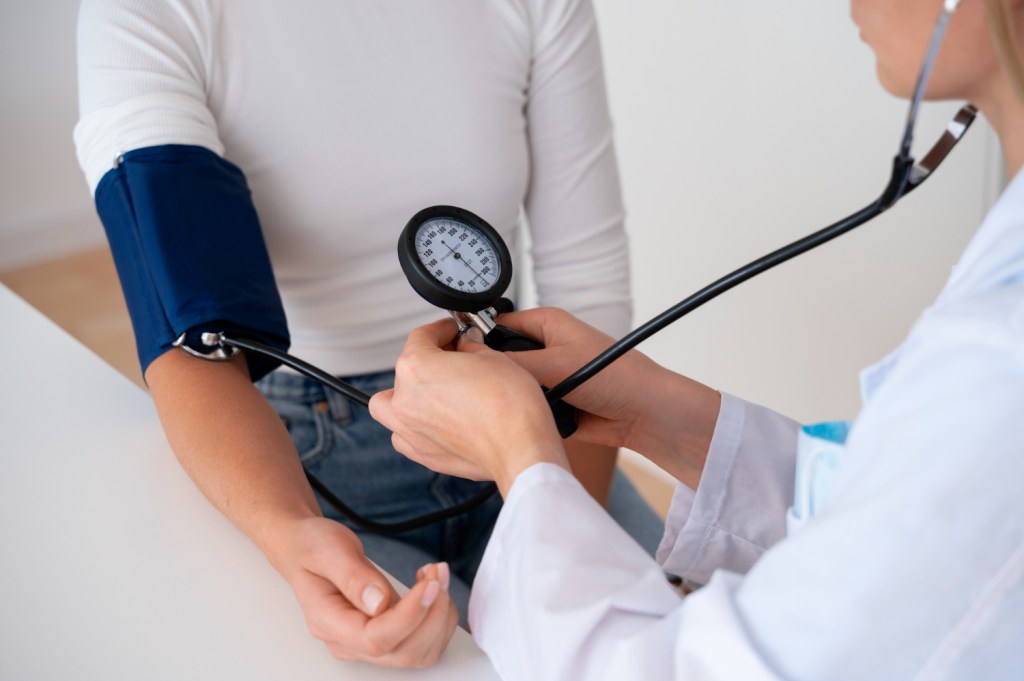
High blood pressure rarely appears overnight — it’s often the result of years of everyday habits quietly working against your heart and blood vessels. Many people assume hypertension only affects older adults or those with serious health conditions, but the truth is, lifestyle choices play a major role in how early and how severely it develops.
Even subtle routines — what you eat, how you sleep, how much stress you manage, and how active you are — can directly impact your blood pressure. In a detailed post on High Blood Pressure: Silent Symptoms You Shouldn’t Ignore, South Kensington Medical & Dental explained how hypertension can progress quietly for years. Here, we explore the day-to-day habits that might be contributing to high readings without you even noticing.
- Too Much Salt in Your Diet
One of the most well-known but often overlooked causes of raised blood pressure is excess salt intake. Salt causes the body to retain water, which increases blood volume and, in turn, the pressure within arteries.
The NHS recommends adults consume no more than 6 grams of salt per day — roughly one teaspoon. However, most people in the UK consume more than this, largely because of hidden salt in processed foods like bread, soups, sauces, and ready meals.
Switching to fresh, home-cooked meals and checking nutrition labels can significantly help lower salt intake and bring blood pressure down over time.
- Sitting for Long Periods
Modern lifestyles encourage long hours of sitting — at desks, in cars, or in front of screens. Physical inactivity weakens the heart and slows blood circulation, allowing blood pressure to creep upward.
You don’t have to join a gym to stay active. Small changes like walking during lunch breaks, taking stairs instead of lifts, or cycling short distances can all help maintain healthy blood pressure.
If you’re unsure about how much activity is suitable for your age and condition, consulting a South Kensington GP can help you create a realistic fitness plan based on your individual health profile.
- Poor Sleep Quality
Sleep is your body’s recovery time. Inadequate or interrupted sleep disrupts hormone balance and increases stress hormones like cortisol, which can temporarily raise blood pressure. Over time, chronic sleep deprivation contributes to sustained hypertension.
Adults should aim for 7–9 hours of quality sleep per night. Simple steps such as maintaining a consistent bedtime, reducing caffeine after lunch, and keeping devices out of the bedroom can improve sleep hygiene and overall cardiovascular health.
- Hidden Stress in Daily Life
Stress doesn’t directly cause long-term high blood pressure, but constant exposure to stress hormones can lead to unhealthy coping mechanisms — smoking, overeating, or excessive alcohol — that do.
When you feel anxious or under pressure, your heart rate and blood pressure temporarily rise. If stress becomes a daily experience, these short spikes can add up to a long-term issue.
Mindfulness, deep breathing, yoga, or simply setting aside time for relaxation each day can have measurable benefits on both blood pressure and mental wellbeing.
- Overuse of Alcohol and Caffeine
Alcohol and caffeine are two common stimulants that affect blood pressure in different ways.
Excessive alcohol weakens the heart muscle and raises blood pressure over time. The NHS advises keeping alcohol intake below 14 units per week — roughly equivalent to six pints of beer or ten small glasses of wine.
Caffeine sensitivity varies among individuals, but excessive intake from coffee, energy drinks, or pre-workout supplements can temporarily elevate blood pressure. If you notice a rise in readings after caffeine, consider reducing your consumption.
- Smoking — Even Occasionally
Every cigarette you smoke causes an immediate spike in blood pressure. Nicotine narrows arteries, making the heart pump harder to move blood through restricted spaces.
Even occasional smoking — or exposure to second-hand smoke — contributes to long-term cardiovascular damage. Quitting smoking offers near-immediate benefits, and within a year, your risk of heart disease drops significantly.
- Ignoring Weight Changes
Being overweight increases strain on the heart and blood vessels. Excess fat, especially around the abdomen, releases hormones and inflammatory substances that contribute to higher blood pressure.
The good news? You don’t need to lose massive amounts of weight to see improvements. Even losing 5–10% of your body weight can have a noticeable impact on blood pressure and heart health.
Your South Kensington GP can offer tailored support through weight management plans, blood tests, and ongoing monitoring to help you achieve sustainable results.
- Not Drinking Enough Water
Dehydration makes blood thicker, which can raise blood pressure temporarily. It also stimulates the release of hormones that narrow blood vessels and retain sodium.
Staying hydrated — around 1.5 to 2 litres of water daily — supports kidney function and keeps your circulatory system working efficiently. Limit sugary and carbonated drinks, which may increase blood pressure indirectly through added sugar or caffeine.
- Skipping Routine Health Checks
The biggest danger of high blood pressure is that you won’t feel any symptoms until it becomes serious. Regular health check-ups, even when you feel well, can detect early rises in blood pressure before complications develop.
Scheduling annual or bi-annual health screenings can help you track changes, identify risk factors, and receive professional advice on prevention. At South Kensington Medical & Dental, patients can book comprehensive cardiovascular checks that include blood pressure monitoring, ECGs, and blood tests to assess heart and kidney function.
For more insights into recognising the early signs of hypertension, read High Blood Pressure: Silent Symptoms You Shouldn’t Ignore.
- Delaying Professional Help
Many people assume that occasional high readings aren’t a concern. However, consistent elevation — even slightly above the normal range — can still harm arteries over time.
If your home blood pressure monitor regularly shows readings above 140/90 mmHg, or if you have a family history of heart disease, don’t delay medical assessment. A South Kensington GP can evaluate your risk profile, advise on diet and exercise, and, if needed, prescribe medication to bring your blood pressure under control.
Small Changes, Big Results
Lowering blood pressure doesn’t always require drastic interventions. Often, small, consistent adjustments in daily behaviour deliver meaningful improvements within weeks. For example:
- Reducing salt and processed foods
- Walking or cycling daily
- Sleeping regularly and well
- Managing stress effectively
- Staying hydrated
These habits not only protect your heart but also improve your overall wellbeing and energy levels.
Final Thoughts
Your everyday choices have a powerful influence on your blood pressure — and by extension, your long-term health. While medication can help manage hypertension, prevention through lifestyle is far more effective and sustainable.
If you’re unsure whether your daily routine is supporting or straining your heart, it’s worth getting checked. Book a consultation with a South Kensington GP to review your health, discuss lifestyle factors, and start building habits that keep your blood pressure — and your body — in balance.
For more information about recognising early signs and when to take action, visit High Blood Pressure: Silent Symptoms You Shouldn’t Ignore.
 Medical & Dental
Leave a comment