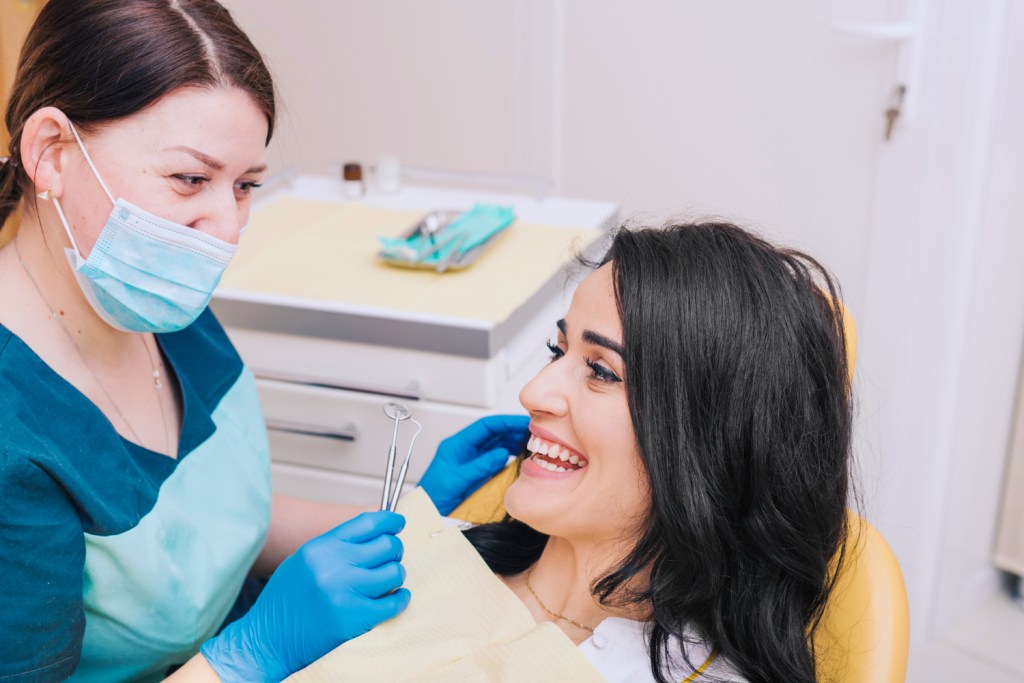
A radiant, stain-free smile isn’t just about aesthetics — it’s a reflection of your overall oral health. Teeth stains are common among adults in the UK, particularly those who regularly consume coffee, tea, red wine, or smoke. While professional stain removal treatments can restore brightness, maintaining these results requires consistent care. Regular dental hygiene appointments play a key role not only in removing stains but also in preventing their recurrence.
In this post, we’ll explore how consistent dental hygiene sessions help preserve a clean, healthy smile, what happens during these appointments, and why visiting a Professional dental hygienist in South Kensington can make all the difference in your long-term oral health.
Why Regular Dental Hygiene Appointments Matter
Plaque and tartar build-up are the main culprits behind surface discolouration. When food particles mix with saliva and bacteria, they form plaque — a sticky film that adheres to your teeth. If not removed, plaque hardens into tartar, which cannot be cleaned at home with a toothbrush.
A routine hygiene session removes these deposits, polishing your teeth and reducing the likelihood of stains returning. Beyond stain prevention, these appointments protect against gum disease, tooth decay, and bad breath, ensuring that both the appearance and health of your mouth are well maintained.
Link between Dental Hygiene and Stain Prevention
Even if you brush twice daily, some areas of your mouth can be difficult to clean properly. Over time, pigments from foods, drinks, and tobacco can accumulate, resulting in yellowing or brownish stains. During a professional cleaning, the hygienist uses scaling tools and air polishing systems to target these pigments before they become stubborn.
Preventive cleanings effectively address extrinsic stains, the type that affects the enamel surface. Without regular hygiene sessions, these minor stains can worsen, requiring more intensive treatments later on.
If you’re curious about the specific techniques dental hygienists use for stain removal, you can read our main article here: Can Dental Hygiene Treatments Remove Stubborn Teeth Stains?
What Happens During a Routine Hygiene Appointment?
A standard hygiene visit typically lasts 30–60 minutes and follows a structured process designed to deliver a deep yet gentle clean:
- Oral Examination
Before starting, your hygienist examines your teeth and gums to check for any inflammation, tartar buildup, or staining patterns. This helps them customise the cleaning to your oral condition.
- Scaling
The first step involves removing plaque and tartar from around the gumline and between teeth using manual or ultrasonic instruments. This process is crucial for preventing gum disease and eliminating the rough surfaces where stains form.
- Air Polishing or Prophy Paste Cleaning
Once tartar is cleared, the hygienist uses a high-powered polishing paste or air polishing device that sprays fine powder mixed with air and water. This helps to remove surface stains and leaves teeth smooth and bright.
- Fluoride Treatment (Optional)
A fluoride application may follow to strengthen enamel and make it more resistant to future staining or decay.
- Advice on At-Home Care
Finally, you’ll receive personalised recommendations for oral hygiene products — such as whitening toothpaste, floss, and interdental brushes — suited to your teeth type and lifestyle habits.
Common Causes of Teeth Stains and How to Prevent Them
- Food and Drinks – Regular consumption of dark-coloured foods and beverages such as coffee, tea, and red wine can cause enamel discolouration.
- Tobacco Use – Smoking or chewing tobacco leads to stubborn brown stains and accelerates tartar buildup.
- Ageing – As enamel wears down over the years, the underlying dentin becomes visible, giving teeth a yellowish tint.
- Poor Oral Hygiene – Inadequate brushing and flossing allow plaque to harden and attract more stains.
- Medications – Some antibiotics, such as tetracyclines, may cause intrinsic discolouration when taken during childhood.
Avoiding these triggers and attending professional cleanings every six months can significantly reduce your risk of discolouration.
How a Dental Hygienist Can Support Long-Term Stain Prevention
A dental hygienist doesn’t just clean your teeth — they act as your partner in maintaining oral health. Through routine care and education, they help you:
- Detect early signs of gum disease or decay before they progress.
- Manage plaque and tartar in hard-to-reach areas.
- Receive guidance on diet and oral habits to minimise future stains.
- Understand safe whitening options under dental supervision.
If you’ve already had stains removed through polishing or whitening, your hygienist will help you maintain those results for as long as possible.
Role of Lifestyle Changes in Keeping Teeth White
Even after a professional cleaning, lifestyle habits significantly influence how long your teeth remain stain-free. Try incorporating these tips into your daily routine:
- Rinse after meals to wash away food residues before they adhere to the enamel.
- Use a straw when drinking dark liquids like coffee or red wine to reduce contact with teeth.
- Quit smoking, as nicotine and tar are notorious for causing stains and gum disease.
- Stay hydrated, since water helps wash away pigment particles and maintain saliva flow.
- Brush with fluoride toothpaste twice daily and floss once daily to prevent plaque buildup.
Consistency is key — combining good daily habits with professional hygiene appointments yields the best long-term results.
Professional Cleaning vs. At-Home Whitening
While whitening toothpaste and home kits can help reduce mild stains, they don’t match the precision of a professional cleaning. Over-the-counter products often use mild abrasives or bleaching agents, but their effectiveness depends on consistent use and correct application.
A hygienist, on the other hand, uses clinically approved equipment to remove stains safely without harming enamel. This ensures a natural, even result that over-the-counter options often fail to achieve.
For individuals seeking brighter results, your hygienist can coordinate with a dentist for professional whitening under supervision — ensuring safety and lasting brightness.
How Often Should You See a Dental Hygienist?
Most dental professionals recommend visiting every six months for maintenance cleanings. However, if you’re prone to staining or have a history of gum disease, more frequent visits — perhaps every three to four months — may be beneficial.
People who smoke, consume lots of coffee or wine, or have orthodontic retainers might need more regular cleanings to keep their teeth stain-free and healthy.
Why Choose South Kensington MD for Dental Hygiene Care
At South Kensington MD, we combine preventive care with cosmetic attention to help you achieve and maintain your best smile. Our dental hygienists work alongside experienced dentists to ensure your oral health and appearance are equally prioritised.
Whether you need a routine cleaning, advice on whitening, or help managing gum sensitivity, our team ensures a gentle, thorough approach.
If you’re looking for ongoing support to maintain stain-free, healthy teeth, book an appointment with our Professional dental hygienist in South Kensington today.
Final Thoughts
Teeth stains are inevitable to some degree, but they don’t have to be permanent. Regular hygiene sessions are one of the simplest, most effective ways to prevent and manage discolouration, ensuring your smile remains healthy and confident.
If you’re curious about how hygienists remove stains and what methods are most effective, don’t miss our main post: Can Dental Hygiene Treatments Remove Stubborn Teeth Stains?
 Medical & Dental
Leave a comment