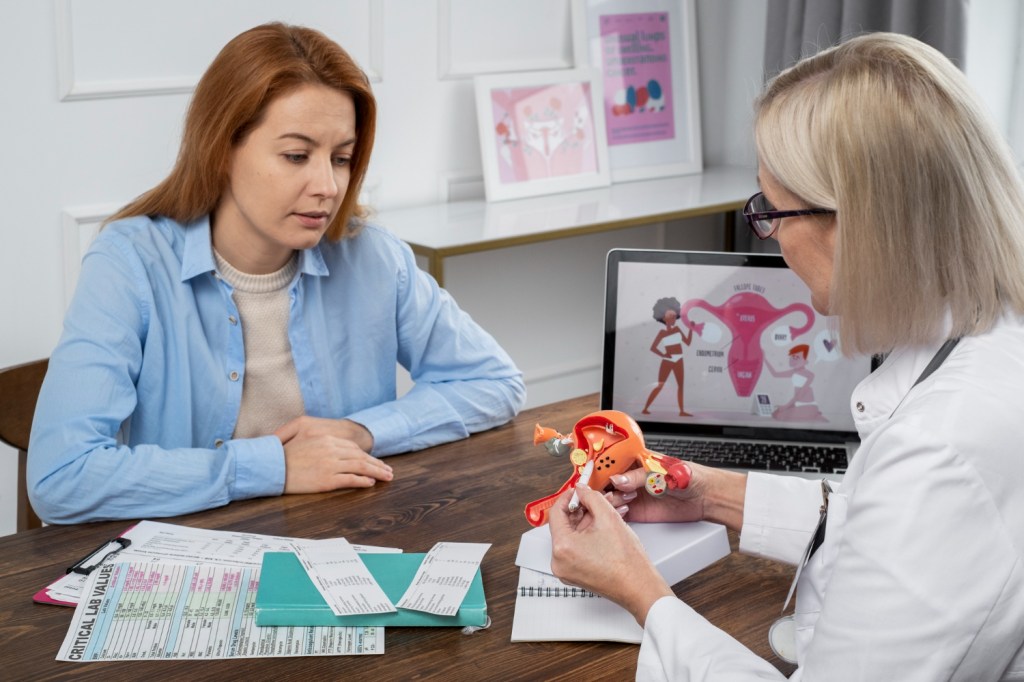
Hysterectomy is one of the most frequently performed gynaecological procedures in the UK, often recommended to treat conditions such as fibroids, endometriosis, chronic pelvic pain, or heavy menstrual bleeding that has not responded to other treatments. While the surgery can provide lasting relief from certain conditions, many women are surprised to experience new or persistent symptoms afterwards, particularly pelvic pain.
Pelvic pain after hysterectomy is not uncommon, yet it is often overlooked or misunderstood. For some women, discomfort may only last a few weeks during recovery, while others may experience pain months or even years later. Understanding the possible causes of this pain, and knowing when to seek medical support, is essential for protecting your long-term health.
If you are interested in the detailed causes and consequences, you can read the full article on Pelvic Pain after Hysterectomy: Understanding the Causes and Consequences.
Why Pelvic Pain Matters After Surgery
Any surgery carries risks, and hysterectomy is no exception. For most women, the removal of the uterus brings relief from distressing symptoms and allows them to return to normal life. However, for a subset of patients, pelvic pain becomes a long-term concern. This pain can interfere with daily activities, impact intimate relationships, and even affect emotional wellbeing.
It is important not to dismiss pelvic pain as something you simply have to “live with” after hysterectomy. While some discomfort is expected during healing, persistent or worsening pain should be properly investigated. In many cases, it may indicate treatable issues such as scar tissue, nerve sensitivity, or pelvic floor dysfunction.
Common Causes of Pelvic Pain after Hysterectomy
Pelvic pain can have multiple overlapping causes. Some of the most frequent include:
- Scar Tissue and Adhesions
As the body heals from surgery, scar tissue naturally forms. In some women, this tissue becomes excessive and binds organs together, a condition known as adhesions. Adhesions can restrict movement, tug on pelvic structures, and cause long-lasting pain.
- Pelvic Floor Dysfunction
The pelvic floor muscles provide essential support for the bladder, bowel, and reproductive organs. Following hysterectomy, these muscles may weaken or become overactive, leading to pain, pressure, or even urinary and bowel problems.
- Nerve Damage or Sensitivity
During surgery, pelvic nerves may be stretched, irritated, or damaged. This can result in chronic pain syndromes, tingling, or shooting sensations in the pelvic region. Some women develop a heightened pain response known as central sensitisation, where even mild pressure can trigger discomfort.
- Endometriosis or Residual Disease
For women who had a hysterectomy due to endometriosis, there is a chance that small amounts of endometrial tissue remain in the pelvis. This tissue continues to react to hormonal changes and can cause persistent pain, even years after surgery.
- Hormonal Changes
If the ovaries are removed during hysterectomy, women experience sudden menopause. Low oestrogen levels can lead to vaginal dryness, painful intercourse, and musculoskeletal pain. Even when ovaries are retained, hormonal function may be affected, contributing to pelvic symptoms.
Emotional and Psychological Impact
It is equally important to acknowledge the psychological impact of pelvic pain after hysterectomy. For many women, surgery brings significant emotional adjustment. The loss of fertility, coupled with unexpected physical discomfort, can lead to feelings of grief, frustration, or anxiety. Chronic pain itself is strongly linked with low mood and reduced quality of life.
Seeking specialist support is crucial—not only to address the physical causes of pain but also to ensure that women have access to counselling or emotional support where needed.
Diagnostic Approaches
When pelvic pain persists after hysterectomy, thorough evaluation is essential. A private gynaecologist may recommend:
- Pelvic examination to assess muscle function and tenderness.
- Ultrasound or MRI scans to look for scar tissue, residual endometriosis, or other abnormalities.
- Specialised pelvic floor assessments performed by women’s health physiotherapists.
- Hormonal blood tests to evaluate whether early menopause or hormonal imbalances are contributing to symptoms.
The goal of diagnosis is not only to rule out serious complications but also to create a tailored management plan.
Treatment Options
Fortunately, there are many ways to manage pelvic pain after hysterectomy. Treatment is highly individual, but may include:
- Physiotherapy to strengthen and rebalance the pelvic floor muscles.
- Hormone replacement therapy (HRT) for women experiencing menopausal symptoms.
- Pain management techniques, including medications or nerve blocks.
- Minimally invasive surgery to remove adhesions or treat residual endometriosis.
- Counselling or psychological therapy to address the emotional toll of chronic pain.
Women are encouraged to seek early intervention rather than waiting until symptoms worsen. Prompt treatment often prevents pain from becoming chronic and improves overall recovery.
Lifestyle Measures to Support Recovery
In addition to medical care, certain lifestyle adjustments can make a significant difference:
- Regular gentle exercise such as walking, yoga, or swimming to improve circulation and reduce stiffness.
- Pelvic floor exercises under professional guidance to restore muscle function.
- Balanced nutrition, particularly foods rich in calcium and vitamin D, to support bone and muscle health.
- Stress management through mindfulness, relaxation techniques, or talking therapies to reduce pain sensitivity.
These holistic steps, combined with specialist care, help many women regain confidence and quality of life after hysterectomy.
When to Seek Specialist Care
Not all pain after hysterectomy is cause for alarm, but you should seek medical advice if you experience:
- Persistent pain lasting longer than expected recovery (beyond 8–12 weeks).
- Pain that worsens or suddenly appears months or years after surgery.
- Symptoms such as painful intercourse, urinary incontinence, or bowel changes.
- Signs of infection such as fever, swelling, or unusual discharge.
For women in the UK, consulting a specialist through Private gynaecology services in London can offer faster access to diagnosis and treatment, avoiding long waiting times and providing tailored care.
Final Thoughts
Pelvic pain after hysterectomy is a complex issue with both physical and emotional consequences. While many women recover smoothly, others may face unexpected challenges that require ongoing care. The important message is that persistent pain should not be ignored—there are effective treatments available, and early intervention makes a significant difference.
For a more in-depth discussion on this topic, you can explore the full article here: Pelvic Pain after Hysterectomy: Understanding the Causes and Consequences.
 Medical & Dental
Leave a comment