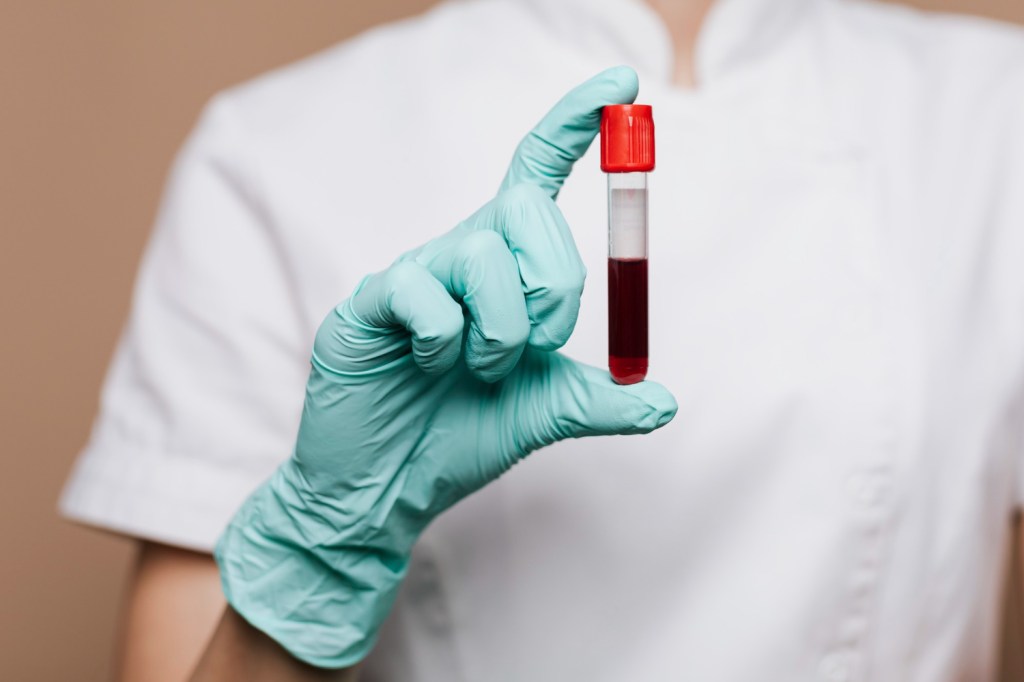
When it comes to safeguarding sexual health, many people assume that a simple blood test is all that’s needed to detect every sexually transmitted disease (STD). After all, blood tests can feel thorough and reliable — offering answers about many aspects of our health. But here’s the truth: while blood tests are essential for detecting certain infections, they are not enough on their own to confirm or rule out all STDs.
This article uncovers the realities of blood testing, explains which infections require different types of screening, and highlights why comprehensive sexual health checks are crucial if you want accurate results and lasting peace of mind.
What Blood Tests Can and Can’t Reveal
Blood tests play a vital role in sexual health. They are excellent at detecting specific infections such as HIV, syphilis, and hepatitis B and C. These infections leave clear markers in the bloodstream, which laboratory testing can identify with accuracy.
However, many of the most common STDs cannot be confirmed by blood alone. Chlamydia and gonorrhoea, for example, require urine samples or swabs. Similarly, HPV and trichomoniasis often go undetected if testing is limited to blood. This means a person could walk away from a blood test believing they are completely clear, when in fact they may still have an untreated infection.
Why Relying on Blood Tests Alone Can Be Risky
The biggest danger of relying solely on blood tests is false reassurance. A negative blood result does not automatically mean you are free from infection. Undiagnosed conditions can quietly progress and cause complications, such as pelvic inflammatory disease, infertility, or increased vulnerability to other infections.
Another factor is timing. Known as the window period, this is the delay between exposure to an infection and when it becomes detectable in the blood. Testing too soon can return a false negative result, which is why follow-up testing is often advised.
Need for Comprehensive Sexual Health Screening
To ensure you are truly protecting yourself and your partners, full sexual health screening is the only reliable approach. This usually includes:
- Blood tests for HIV, syphilis, and hepatitis.
- Swab or urine tests for chlamydia and gonorrhoea.
- Examination or specialist tests for conditions such as HPV and trichomoniasis.
By combining different methods, clinics can identify a far wider range of infections than blood tests alone ever could.
Why Private Clinics Offer Added Reassurance
For those in London, attending a Private sexual health clinic in London means gaining access to discreet, same-day testing that covers all major infections. Clinics like these provide tailored panels based on your personal risk factors, as well as professional advice about when to test and whether retesting is necessary.
Confidentiality is also a top priority. Private clinics are designed to offer a safe, judgment-free environment where you can seek answers without delay.
Understanding the Myths
Many misconceptions surround STD testing. Some believe that “I’d know if I had an infection,” but the truth is most STDs are silent for months or years. Others think “I had a blood test last year, so I must be fine,” not realising that routine health panels don’t automatically include sexual health markers. Dispelling these myths is key to encouraging more people to get properly tested.
Final Thoughts: The Truth Revealed
So, are blood tests enough to detect all STDs? The answer is clear: no. They are an essential part of the process, but not the complete solution. To protect yourself and your partners, a comprehensive approach to testing is vital.
If you are sexually active, especially with new or multiple partners, a full sexual health screen is the only way to be sure of your status. By combining blood tests with other diagnostic methods, you can move forward with confidence, knowing the truth about your health.
Resource
For a deeper look at this subject, read our dedicated post: Can Routine Blood Tests Really Detect STDs? What You Need to Know. It explains how blood testing fits into the wider picture of sexual health and why multiple testing methods are often required.
 Medical & Dental
Leave a comment