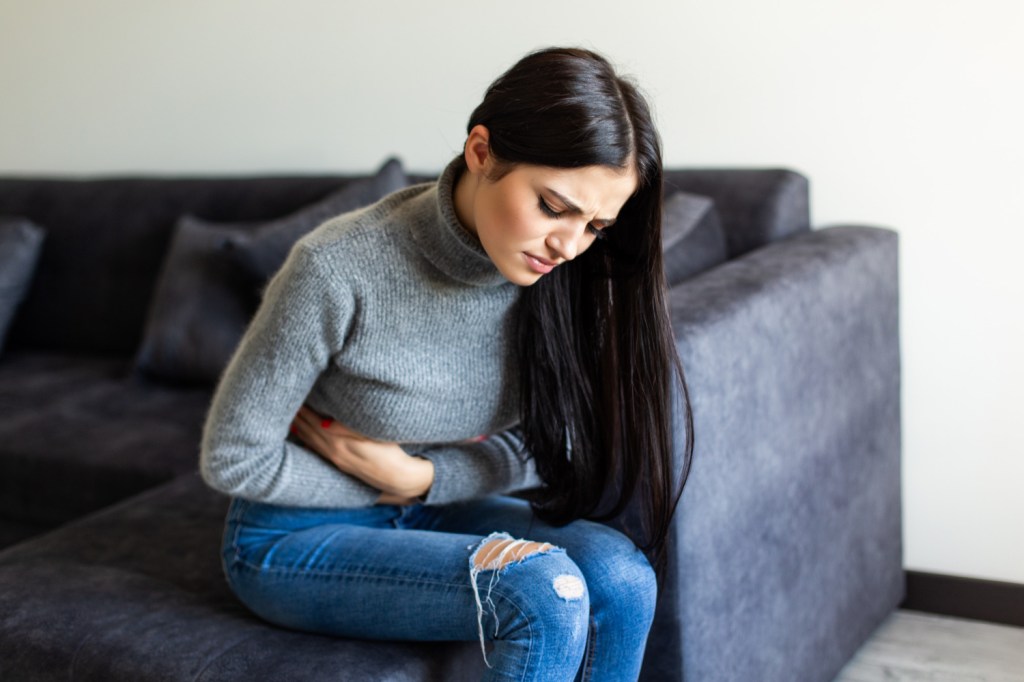
Endometriosis is a condition that affects millions of women worldwide, yet it often remains undiagnosed or misunderstood. For many women, the symptoms are life-altering, causing chronic pain, fertility struggles, and emotional distress. Despite how common it is, the road to diagnosis can take years, with women frequently being told that their pain is “normal” or “just part of having periods.” This delay not only prolongs suffering but also impacts quality of life and long-term health outcomes.
In this article, we will explore the impact of endometriosis, why awareness is so crucial, and what women can do if they suspect they may be living with the condition. For a deeper dive into recognising the signs, you can also read this guide: How Do I Know If It’s Endometriosis? Key Symptoms Explained.
Why Endometriosis Awareness Matters
Endometriosis occurs when tissue similar to the lining of the womb begins to grow outside the uterus. These growths can affect the ovaries, fallopian tubes, pelvic lining, and in rare cases, even organs outside the reproductive system. Unlike the womb lining, which is shed during menstruation, this tissue has nowhere to go, leading to inflammation, scarring, and painful adhesions.
Awareness is vital because the average diagnosis time in the UK is estimated to be 7–8 years. During this period, many women endure debilitating pain, missed work or education, and even strained relationships. Understanding the symptoms and seeking timely medical advice is the first step toward getting the right support.
The Physical Impact of Endometriosis
- Chronic Pelvic Pain
Pelvic pain is the most common symptom of endometriosis. This pain often intensifies during menstruation but can also occur at other times in the cycle. Unlike typical period cramps, the pain from endometriosis can be severe, persistent, and resistant to over-the-counter medication.
- Heavy or Irregular Periods
Many women with endometriosis experience unusually heavy bleeding. Periods may last longer than usual, with clotting and severe discomfort. Irregular cycles can also make it difficult to track ovulation and plan for pregnancy.
- Pain During Intercourse
Endometriosis growths around the pelvic organs can cause deep, sharp pain during or after sex. This symptom is often overlooked or attributed to other issues, but it is a key marker that should not be ignored.
- Fertility Challenges
Research shows that around 30–50% of women with endometriosis struggle with fertility. Scar tissue and adhesions can block the fallopian tubes or affect the ovaries, making it harder to conceive naturally. However, with timely intervention and treatment, many women with endometriosis can still achieve successful pregnancies.
The Emotional and Social Impact
Endometriosis affects much more than physical health. The condition can have a profound emotional toll. Women often report feelings of frustration, anxiety, and depression due to the chronic nature of the illness and the lack of understanding from others.
- Mental Health Struggles
Living with ongoing pain and uncertainty about fertility can lead to emotional exhaustion. Many women also experience feelings of isolation because others may not fully understand their condition.
- Work and Education Disruptions
Frequent absences from work or school due to severe symptoms are common. For some women, the unpredictable flare-ups make it challenging to maintain a regular routine, impacting career progression or academic performance.
- Relationships and Intimacy
The condition can also affect personal relationships. Pain during intercourse, coupled with emotional strain, can make intimacy difficult. Open communication and support from partners are essential in navigating this challenge.
Why Endometriosis Is Misdiagnosed or Overlooked
One of the main challenges women face is that endometriosis shares symptoms with other conditions, such as irritable bowel syndrome (IBS) or pelvic inflammatory disease (PID). This overlap often leads to misdiagnosis. Additionally, because period pain is so normalised, women’s complaints are sometimes dismissed as exaggerated or psychosomatic.
Greater awareness among both patients and healthcare professionals is crucial to reducing diagnosis delays. Early intervention not only helps in managing symptoms but also prevents further complications such as worsening adhesions or fertility challenges.
Treatment and Management Options
While there is currently no cure for endometriosis, there are effective treatments that can help manage symptoms and improve quality of life. The best treatment depends on the severity of symptoms, age, and whether a woman wishes to preserve fertility.
- Pain Relief Medication
Over-the-counter anti-inflammatories such as ibuprofen may provide temporary relief, though they are often insufficient for moderate to severe pain.
- Hormonal Treatments
Hormone-based therapies, such as the contraceptive pill, hormonal IUDs, or injections, can help regulate or suppress periods, reducing pain and slowing the growth of endometriosis tissue.
- Surgery
In more severe cases, laparoscopic surgery may be recommended to remove endometriosis tissue. For women with fertility concerns, surgery may also improve the chances of natural conception.
- Lifestyle Support
Complementary approaches, including diet adjustments, physiotherapy, and counselling, can help manage both physical and emotional aspects of the condition.
When to Seek Specialist Help
If you are experiencing severe or persistent period pain, difficulty conceiving, or any of the other symptoms outlined above, it is important to seek advice from a gynaecology specialist. Timely diagnosis and treatment can make a significant difference in managing the condition and improving daily life.
In London, you can book a consultation with a Private female gynaecologist in London, who can provide personalised support, diagnostic tests, and tailored treatment options.
Living With Endometriosis: Hope and Support
Although endometriosis can feel overwhelming, it is important to know that support and effective management are available. Many women find relief through a combination of medical treatments, surgery, and lifestyle adjustments. Support groups, counselling, and patient organisations also play a vital role in helping women cope emotionally and socially.
The key message is that severe pain is never something you should dismiss as “normal.” If you suspect you may have endometriosis, reaching out to a specialist could transform your journey from years of uncertainty to clarity and relief.
Final Thoughts
Endometriosis is more than just “bad period pain.” It is a complex condition that affects women physically, emotionally, and socially. By raising awareness, encouraging open conversations, and seeking timely medical advice, women can take proactive steps toward managing their health and improving their quality of life.
If you would like to learn more about recognising the signs of this condition, visit our detailed article on How Do I Know If It’s Endometriosis? Key Symptoms Explained.
 Medical & Dental
Leave a comment