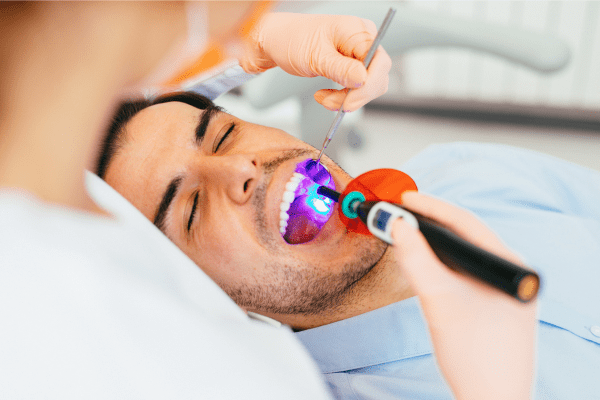
Composite bonding has become a favored cosmetic dental treatment for addressing small imperfections, such as chipped, stained, or uneven teeth. If you’ve had this procedure or are considering it, you might be curious about what follows. This guide covers what to expect, how it compares to other treatments, and how to keep your smile looking great for years to come.
What Is Composite Bonding?
Composite bonding uses a tooth-colored resin applied directly to your teeth to enhance their look. It is commonly used to repair chips, close gaps, and address discoloration. The procedure is painless, quick, and produces immediate results.
Right After Composite Bonding: What to Expect
- Instant Results: You’ll notice an immediate improvement as the resin is shaped and polished to blend naturally with your teeth.
- Mild Sensitivity: Some temporary sensitivity to hot or cold is normal and should fade within a few days.
- Care with Hard Foods: Avoid biting hard foods or habits like nail-biting for the first few days to prevent damage.
- Oral Hygiene Matters: Brush and floss daily with non-abrasive toothpaste to protect the bonding material.
Composite Bonding vs. Veneers and Sealants
- Veneers: Thin porcelain veneers offering a longer-lasting and more stain-resistant solution for severe cosmetic concerns but involve some enamel removal.
- Sealants: Dental sealants used mainly to prevent cavities, especially on molars, with no cosmetic benefits.
Composite Bonding vs. Orthodontic Treatments (e.g., Invisalign)
- Bonding: Ideal for minor gaps and slight misalignments but doesn’t address significant orthodontic needs.
- Invisalign: Invisalign works over time to fix spacing, bite issues, and alignment, offering a comprehensive solution. Sometimes, bonding is combined with Invisalign for final smile enhancements.
Other Orthodontic Alternatives
- Braces: Best for severe alignment problems, though they take longer to work.
- Retainers: Help maintain alignment after braces or Invisalign treatments.
Maintaining Your Bonded Teeth
- Dietary Caution: Minimize consumption of hard foods, coffee, wine, and tobacco to avoid staining or damaging the resin.
- Use a Soft Toothbrush: This helps prevent wear on the bonded material.
- Regular Dental Visits: Routine check-ups will ensure your bonded teeth stay in top shape.
- Night Guards: Protect the bonding from wear if you grind your teeth at night.
Is Composite Bonding Right for You?
Composite bonding is an affordable and efficient way to enhance your smile. However, for more complex issues, treatments like veneers, Invisalign, or braces might be more suitable. Consulting with your dentist will help you find the right solution for your dental goals.
Final Thoughts
Composite bonding offers a quick way to boost confidence with a better smile. To enjoy lasting results, maintain good oral hygiene and avoid habits that might harm the resin. Understanding the differences between bonding, veneers, and orthodontic treatments will help you make an informed decision. With proper care, your bonded teeth can remain beautiful for many years, making it a worthwhile investment for your smile and self-esteem.
 Medical & Dental
Leave a comment